Licensed removal company safety and insurance West Kensington
If you are planning a move in West Kensington, safety and insurance are not box-ticking extras. They are the things that protect your belongings, your building, the movers on site, and, frankly, your peace of mind. A licensed removal company should be able to show how it handles risk, what it insures, and what happens if something goes wrong. That matters whether you are moving a one-bed flat off a busy street, a family home with awkward stairwells, or an office with equipment that absolutely cannot be knocked about.
This guide explains Licensed removal company safety and insurance West Kensington in plain English. You will see what a proper removal service should cover, how safe moving work usually works in practice, what to check before you book, and which mistakes people commonly make when comparing quotes. To be fair, moving day is busy enough without discovering a missing policy or a poorly planned lift at the last minute.
Need a quick route into the detail? Start with the section below, then come back to the parts that matter most for your move.
- Why safety and insurance matter
- How licensed removals and insurance work
- Key benefits and practical advantages
- Who this is for
- Step-by-step guidance
- Expert tips for better results
- Common mistakes to avoid
- Tools, resources and recommendations
- Law, compliance and best practice
- Options and comparison
- Real-world example
- Practical checklist
- Frequently asked questions
Why Licensed removal company safety and insurance West Kensington Matters
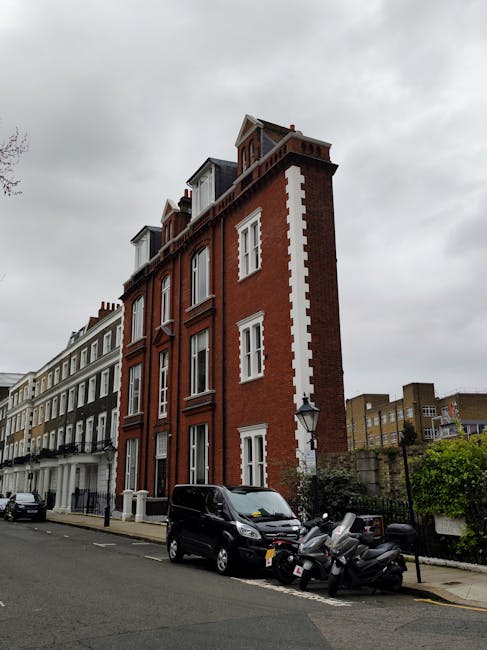
A move looks simple from the outside. Van turns up, boxes go in, furniture comes out. But the real work is in everything you do not see: lifting heavy items safely, protecting floors and walls, securing loads in transit, planning around tight entrances, and knowing what cover applies if damage occurs. In West Kensington, that can be even more important because of narrow roads, shared entrances, upper-floor flats, controlled parking, and buildings where access is not exactly generous.
A licensed removal company is expected to operate in a way that reduces risk. That does not mean zero risk, because no move is ever completely risk-free, but it should mean risk is managed properly. Insurance matters because even careful teams can face accidental damage, especially when moving bulky wardrobes, fragile glass, or expensive office kit through stairs and door frames. If you are not clear on the policy terms, you may be assuming protection that simply is not there.
There is also a trust issue. Anyone can say they are a mover. Not everyone can explain how they work safely or what their cover includes. When a company is transparent about process, equipment, and insurance, that usually tells you a lot about the rest of the operation too. It tends to be the same firms that keep their paperwork tidy, communicate clearly, and turn up prepared. Small sign. Big clue.
Practical takeaway: if a removal company cannot clearly explain its safety procedures and insurance cover in normal human language, keep asking questions. Good operators do not get flustered by sensible questions; they expect them.
How Licensed removal company safety and insurance West Kensington Works
At a basic level, the process starts before moving day. A reputable mover will look at the type of property, access points, item sizes, special risks, and timing. If needed, they may recommend packing help, a larger vehicle, more crew, or a different schedule. That is not upselling for the sake of it. Sometimes it is the difference between a calm move and a stressful one.
Safety typically begins with planning. The team should think about parking, stairs, lifts, long carries, weather, and where items will be placed while loading. Once on site, they should use sensible lifting techniques, protective materials, and secure loading methods. Furniture covers, blankets, straps, and trolley equipment are all common examples. In a good operation, these are not fancy extras; they are just part of the job.
Insurance is the second layer. Most people hear "insured" and stop there, but there is more to it. A company may carry different types of cover for vehicles, goods in transit, public liability, and employer responsibilities. The exact mix varies, so what matters is whether the cover suits the work being done. If you are moving valuable items or a business premises, the practical questions become even more important. What is covered? What is excluded? What evidence can be provided? And how would a claim normally be handled?
If you want to see how a professional service presents these issues, the pages on insurance and safety and the company's health and safety policy are a sensible place to start. They help set expectations before anyone starts lifting a thing.
For the booking stage itself, it is also worth reviewing pricing and quotes. A quote that seems very cheap can sometimes be cheap because key protections, labour time, or access considerations were not fully thought through. That is one of those classic moving-day traps. Looks fine on paper, then suddenly the day is long, awkward, and oddly expensive.
Key Benefits and Practical Advantages
The main benefit of choosing a properly licensed and insured removal company is simple: fewer nasty surprises. But the practical advantages go beyond peace of mind. A safer, better-insured move is usually a better-organised move too.
- Lower risk of damage: Proper packing, secure loading, and careful handling reduce the chance of breakage or scuffs.
- Better protection in transit: Goods in transit cover can offer important protection while your items are being transported.
- Reduced chance of injury: Good lifting practice and the right equipment protect staff, and that helps protect your move from delays.
- Smoother access management: The team plans for stairs, tight halls, parking restrictions, and building rules before the van arrives.
- Clearer accountability: If something happens, a licensed company should have a process for investigating and responding.
- More confidence on the day: You can focus on your own move instead of worrying about whether the team knows what they are doing.
There is also a hidden benefit people often overlook: reputable operators tend to protect the property as much as the contents. That means door frames, carpets, communal hallways, and even neighbouring residents are considered in the plan. In a place like West Kensington, where one awkward delivery can affect several households in one go, that level of care is worth a lot.
If your move is more than a small flat move, you may also find that a wider removal services approach is useful, especially when packing, access planning, and loading support need to work together rather than as separate tasks.
Who This Is For and When It Makes Sense
This topic matters to almost anyone moving belongings, but some situations raise the stakes. If any of the examples below sound familiar, you should be extra careful about safety and insurance.
- Homeowners and tenants: Especially if you have fragile items, bulky furniture, or a top-floor flat.
- Families with children: Moves can be chaotic, and a well-managed team helps reduce disruption.
- Students and first-time movers: It is easy to underestimate the importance of insurance when you are mainly trying to keep costs down.
- Businesses and offices: Equipment, records, monitors, and desks need care and often need time-sensitive handling.
- Landlords and letting agents: A smooth, insured move can reduce complaints and property risks.
- People using a man and van service for more than a few items: Light jobs still need proper loading, securing, and cover.
Sometimes the question is not whether you need a larger service, but whether you need a more structured one. A simple one-item collection might suit a man and van arrangement, but a full household move or multi-room relocation often benefits from a more complete setup. If you are unsure, compare the job against the service rather than against the cheapest price you find. That tends to work better.
For household moves specifically, it can help to review home moves and the related house removals service page to understand what a fuller moving package may include.
Step-by-Step Guidance
If you want a practical way to approach safety and insurance, use this sequence. It keeps the process manageable and avoids that slightly panicky, last-minute feeling that so many people know too well.
- List what is being moved. Write down bulky, fragile, valuable, and awkward items. Include stairs, lifts, parking limits, and any time restrictions.
- Ask about insurance in plain terms. Do not just ask, "Are you insured?" Ask what type of cover is in place and what it normally applies to during loading, transit, and unloading.
- Check the company's safety approach. Look for careful lifting, item protection, team communication, and equipment suited to the job.
- Match the vehicle and crew to the move. A move that looks small on paper can still need more hands if access is awkward or furniture is heavy.
- Confirm parking and access arrangements. In West Kensington, this can be the part that saves the day. Don't leave it to chance.
- Agree expectations before moving day. Make sure you know arrival time, loading sequence, payment method, and what happens if the property access changes.
- Keep valuables and essentials separate. Important documents, keys, chargers, and medication should usually stay with you.
If packing support would reduce risk, consider a service such as packing and unpacking services. Good packing is one of the simplest ways to reduce claims, delays, and accidental breakage. It sounds obvious, but a lot of moving problems begin with a box that was never really suitable for the item inside it.
One more thing. Photograph expensive items before the move. Not because you expect trouble, but because clear records help if you ever need to discuss damage. Just a few quick phone pictures. Nothing dramatic. A bit boring, even. Which is exactly what you want.
Expert Tips for Better Results
Here are the bits of practical advice that often make the biggest difference, especially in tighter London moves where access is a bit of a faff.
- Choose the right service for the job: A smaller man with van setup can be perfectly sensible for lighter moves, but do not force it onto a job that clearly needs more support.
- Ask about load securing: A tidy van is not just about appearance. Items should be stacked and restrained so they do not slide or crush each other.
- Use protective materials early: Blankets, wrap, and covers should be on the items before they reach tight corners if possible.
- Plan for weather: Rain, damp, or icy pavements change the risk profile. Good teams adapt. Basic, yes, but often missed.
- Tell the company about awkward items upfront: Pianos, heavy mirrors, fragile artwork, and oversized desks need proper preparation.
- Keep communication simple: If your building has access rules, share them in writing. A short message is better than five half-remembered phone calls.
In our experience, the best results come from clear and unglamorous preparation. Not dramatic preparation. Just sensible, tidy, almost boring preparation. And boring is underrated on moving day.
If your move is business-related, the pages for office removals and commercial moves are useful references because they tend to involve additional care around equipment, timing, and continuity of work.
Common Mistakes to Avoid
The same issues come up again and again. The good news is they are avoidable if you know what to look for.
- Picking the cheapest quote without checking cover: A low price can be fine, but only if it reflects the full job and not a cut-down service.
- Assuming "insured" means everything is covered: It usually does not. Coverage always has conditions and exclusions.
- Ignoring access problems: A van cannot magically fit a long carry, stair restriction, or no-parking zone.
- Not declaring valuable or delicate items: The company needs to know what it is handling.
- Leaving packing to the last minute: That is where accidents breed. A half-packed box is not a box; it is a future problem.
- Forgetting building rules: Lift bookings, loading bay times, and access windows matter more than people think.
- Using a generic "man and van" label as a substitute for checking capability: Labels are just labels. The real question is whether the service is suitable.
Another common mistake? Not asking what happens if the move is delayed because of access issues or traffic. West London can be unpredictable at the best of times. A service provider should be able to talk calmly about timing, waiting, and contingency plans.
Tools, Resources and Recommendations
You do not need fancy kit to prepare properly, but a few basic tools make the job easier and safer.
- Inventory list: Helps you track fragile and high-value items.
- Labels and marker pens: Simple, but very effective for room-by-room packing.
- Strong boxes and tape: Cheap boxes are a false economy. They split at the worst moment, usually when you are carrying them down the stairs.
- Protective wrap or covers: Useful for furniture, mirrors, and screens.
- Phone camera: Quick before-and-after photos can help clarify any damage discussions.
- Property access notes: A short written note about entry codes, loading points, or lift access prevents confusion.
From a service perspective, a good provider should also be able to explain whether its removal company setup includes trained handling, insurance awareness, and suitable equipment. That matters more than having a polished van graphic or a catchy slogan. Honestly, the slogan will not carry your wardrobe up the stairs.
It is also worth checking the company's approach to service standards and customer handling. Pages like terms and conditions and the complaints procedure show whether the business has thought through accountability, communication, and what happens when things do not go to plan. Nobody books a move hoping to use a complaints page, of course, but having one is a sign the company takes responsibility seriously.
Law, Compliance, Standards, or Best Practice
For moving work in the UK, the exact legal and insurance position can vary depending on the service model, the size of the business, the vehicles used, and the type of work being carried out. So this is the careful version: do not assume. Ask. Check. Confirm in writing when it matters.
Good practice usually includes the following:
- Appropriate insurance arrangements: Vehicle cover, public liability cover, and goods-related cover should be explained clearly where relevant.
- Safe manual handling: Staff should lift sensibly, use equipment where needed, and avoid preventable strain or collision risks.
- Clear customer information: You should know what the service includes and what is excluded.
- Responsible transport: Items should be loaded securely so they do not shift during transit.
- Transparent trading terms: Customers should be able to understand pricing, conditions, and complaint routes.
Where a move involves business premises, there can be extra expectations around continuity, privacy, or equipment handling. A professional provider should be comfortable talking through those practicalities. If they seem vague, that is usually not a great sign. A little vagueness on a minor detail is one thing. Vagueness about cover and responsibility is another entirely.
You may also want to review the company's pages on payment and security and privacy policy if you are booking online or sharing personal information. It is sensible housekeeping, really.
Options, Methods, or Comparison Table
Different move types suit different levels of support. Here is a simple comparison to help you think clearly before booking.
| Option | Best for | Safety considerations | Insurance focus |
|---|---|---|---|
| Man and van | Smaller loads, a few bulky items, lighter domestic jobs | Check load securing, access planning, and lifting support | Confirm goods in transit and public liability where appropriate |
| Full removal service | House moves, flats with stairs, larger family relocations | More crew, more protective materials, better handling of mixed items | Important to understand what is covered during loading and unloading |
| Office relocation service | Business moves, desks, IT equipment, files, and time-sensitive work | Requires planning around downtime, access, and careful equipment handling | Check cover for business contents and transit-related risks |
| Furniture pick-up | Single items or small collections from shops, homes, or storage | Protection for corners, upholstery, and awkward dimensions | Ask whether the collection is treated as a basic transport job or a handled removal |
This is not about making every move sound complicated. It is about choosing the right level of support so you are not trying to squeeze a big job into a small service model. Sometimes that works. Often it does not.
If you are comparing local options, pages such as removals near me and removals can help frame the service conversation, especially if you are still deciding what type of move you actually need.
Case Study or Real-World Example
Picture a fairly typical West Kensington move: a second-floor flat, no lift, a sofa that looked normal in the living room but becomes suspiciously large once it reaches the stairwell, a couple of wardrobes, boxed kitchenware, and a narrow street outside where parking is never exactly friendly.
A well-prepared team would usually do a few simple things. They would check access in advance, ask about the heaviest items, bring the right protection, and plan the load order so the awkward pieces are dealt with first. The customer might be asked to keep essentials separate and to flag any fragile items that need particular care. Nothing theatrical. Just solid preparation.
Now imagine the same move without that preparation. The crew arrives, realises the sofa needs to be angled carefully, discovers a parking issue, and has to improvise around boxes that were packed loosely. That is where little errors snowball. A scuffed wall. A strained back. A delayed timetable. Maybe a complaint later. Nobody wants that, and it is usually avoidable.
That example is why safety and insurance matter together. Insurance is there for the unexpected. Safety is what reduces the chance of the unexpected in the first place. One without the other is not enough, truth be told.
Practical Checklist
Use this checklist before you book. It is simple, but it catches most of the important points.
- Have I listed all large, fragile, and valuable items?
- Has the company explained what insurance cover is relevant to my move?
- Do I understand what is covered during loading, transport, and unloading?
- Has access been checked properly, including stairs, lifts, parking, and entry rules?
- Do I know whether I need packing help or extra protection?
- Have I confirmed the date, arrival window, and expected duration?
- Have I asked about how the team secures items in the vehicle?
- Do I have a clear quote and know what may change the price?
- Have I kept essentials and valuables separate?
- Do I know who to contact if something unexpected happens on the day?
If you want a slightly fuller version of that process, the site's about us page can help you understand the company's approach and how it presents its service standards.
Conclusion
Choosing a removal company is not only about price, and it is definitely not only about how quickly a van can be booked. For a move in West Kensington, the better question is whether the company can keep your move safe, explain its insurance clearly, and handle the realities of access, lifting, and transit without fuss. That is what good service feels like: calm, prepared, and accountable.
If you focus on the basics - insurance clarity, proper planning, safe handling, and honest communication - you are far more likely to have a smooth move and far less likely to be caught out by surprises. Which, let's face it, is exactly what most people want on moving day.
Get a free quote today and see how much you can save.
And if you are still weighing up your options, take your time. A careful decision now often saves a lot of stress later, and a little calm goes a long way when the boxes start stacking up by the front door.
Frequently Asked Questions
What does a licensed removal company actually mean?
In practical terms, it means a company operating with the proper business setup, appropriate vehicle use, and a professional approach to safety and customer care. The exact licensing and registration details can vary by service type, so the important part is that the company can explain how it operates and what standards it follows.
What insurance should a removal company have?
That depends on the type of work, but you would usually expect some combination of vehicle cover, public liability cover, and cover related to items being transported. The key is not guessing. Ask the company to explain what applies to your move and at what stage.
Does insurance automatically cover breakages?
Not always. Insurance often has exclusions, conditions, and limits. For example, packing quality, item type, or customer handling may affect a claim. A reputable company should explain this clearly before the move starts.
Is a man and van service insured enough for a full house move?
Sometimes it may be suitable, but not always. A smaller service can work well for lighter loads or short moves, yet a full household relocation often needs more support, more protection, and more detailed planning. It is worth comparing the service to the actual job, not just the label.
How can I tell if a removal company takes safety seriously?
Look for clear answers about lifting, load securing, access planning, protective materials, and how the team handles awkward items. If they ask sensible questions about your property and belongings, that is usually a good sign. If they wave everything away, be cautious.
What should I do if I have fragile or high-value items?
Tell the company early, make a separate list, and consider special packing or extra protection. Photograph the items before the move. It takes a few minutes and can be genuinely helpful later if you need to discuss condition or handling.
Why does West Kensington need extra planning for removals?
Because local access can be tricky. Tight streets, parking limits, stairs, shared entrances, and building rules can all affect how a move runs. That does not make the job impossible, just more dependent on planning and the right equipment.
Should I choose the cheapest quote?
Not on price alone. A cheap quote can be perfectly fair, but it should still reflect the real job, including access, crew size, protection, and insurance. If a quote feels too good to be true, ask what has been left out.
What is the difference between removals and removals van services?
Generally, a removals service suggests a fuller moving operation, while a van-only service can be more limited in scope. The difference matters because it affects planning, labour, equipment, and often the level of protection available.
Can the company help with packing as well?
Often yes, and that can make a real difference to safety. Good packing reduces damage risk, helps with load organisation, and makes unloading easier. If you want a more hands-on service, ask whether packing and unpacking is available.
What if something goes wrong during the move?
Contact the company promptly, document what happened, and keep any photos or notes. A professional business should have a complaints procedure and a clear way to review concerns. That process should be straightforward, not a maze.
How do I prepare for moving day to reduce risk?
Label boxes, separate essentials, clear hallways, confirm access details, and give the team accurate information about heavy or fragile items. Small preparation steps make a big difference. Honestly, they can save the whole day from becoming a bit of a scramble.
Are office moves handled differently from home moves?
Usually, yes. Office moves often involve equipment, documents, timing constraints, and the need to reduce downtime. That means more focus on planning, protection, and coordinated loading. A company with commercial experience is often the safer choice.
Where can I check a company's policies before booking?
Look at the company's published policy pages, especially the health and safety policy, insurance and safety information, and terms and conditions. Those pages help you understand how the company works before you hand over your move to them.